Politics
Chicago Trans Leaders on the Need for Visibility, Legal Protections
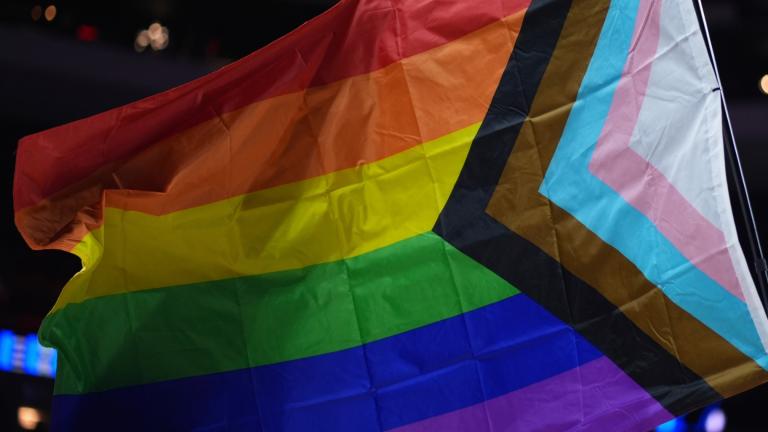
This week marked Transgender Day of Visibility, an international day dedicated to uplifting members of the trans community while showing support for the protection of transgender rights.
In a statement, the ACLU of Washington described the day — held every March 31 since 2009 — as “an opportunity to revel in joy, belonging and the power of community.”
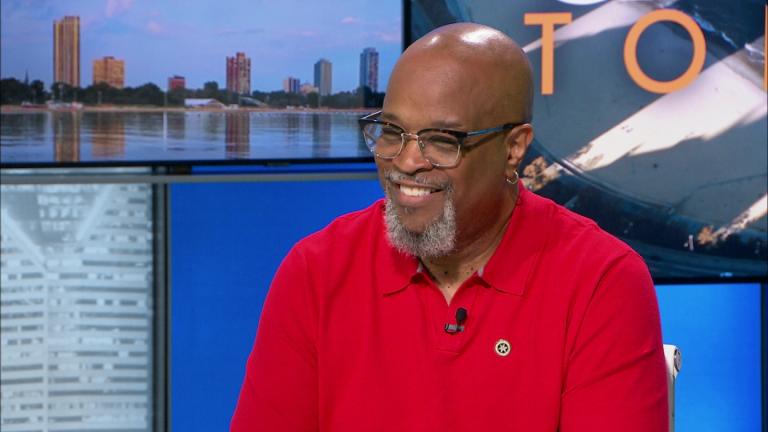
Asher McMaher, founder and executive director of the trans advocacy organization Trans Up Front Illinois, believes the day is particularly important considering recent legal actions around trans rights.
“Trans Day visibility, especially this year, really, every year, is incredibly important,” McMaher said, “because we are able to come together as a community and celebrate who we are and be visible for people who can’t.”
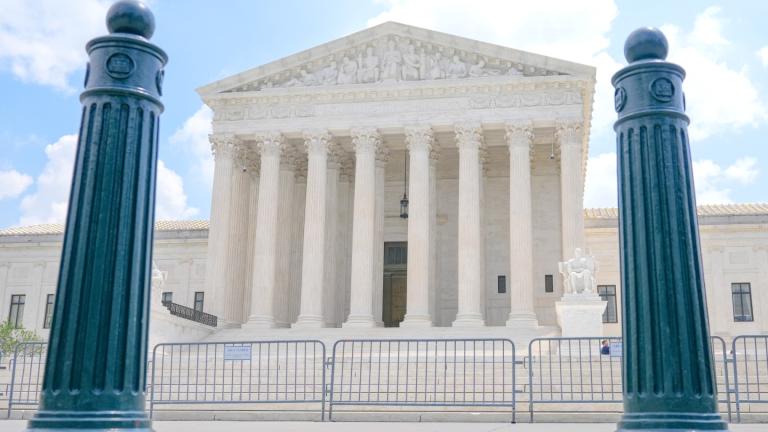
The same day, in an 8-to-1 decision, the U.S. Supreme Court ruled against Colorado’s ban on conversion therapy for gay and transgender youth over concerns it violates the First Amendment rights of mental health providers.
The controversial practice has been criticized by medical professionals and those in the LGBTQ+ community, with critics calling it abusive and ineffective.
The American Psychological Association said research suggests that conversion therapy is not an evidence-based therapy and can result in significant harmful consequences for those who undergo it.
In addition to Tuesday’s ruling, the ACLU has tracked 500 anti-LGBTQ+ bills that have been introduced on the state level across the nation.
“They can’t take our joy from us,” McMaher said. “And now we are here to celebrate every person, regardless of what that means to them and where they are in their lives, and that there are people here fighting for them.”
Through their work with Trans Up Front, McMaher supports members of the trans community at all ages and all stages of their lives.
The organization has raised money to allow trans people to travel to Illinois to get connected with gender-affirming health care, which research shows is effective in treating gender dysphoria. The Mayo Clinic defines gender dysphoria as “a feeling of distress that can happen when a person’s gender identity differs from the sex assigned at birth.”
Channyn Lynn Parker, CEO of Equality Illinois, oversees an organization that seeks to “advance civil rights and social justice by inspiring, advocating, and mobilizing through an inclusive movement that works tirelessly on behalf of those we serve.”
Despite Illinois’ status as a “safe haven” for trans people in the United States, there are still issues Parker believes need to be addressed in the state.
“We’re so fortunate to have a supportive governor and a supportive attorney general who has said emphatically, do not stop gender-affirming care, particularly for minors,” Parker said. “But yet and still, we have institutions who are going ahead of that order in doing so, which is causing a great deal of harm and anxiety for a lot of the folks who rely on those safety nets for care.”
Parker alludes to the cuts made by hospitals in Illinois out of fear of retaliation from the federal government.
Chicago Public Media reported that Black and Latinx trans women make up the majority of victims in trans homicides.
Parker shared her experience working in the Cook County Department of Corrections where she said she saw the cycle of violence experienced by Black and Brown trans women.
“I’ve seen firsthand the harms from the system, but also the history of abuse that led folks to being just as involved in the first place,” Parker said. “It’s a vicious cyclical cycle that trans folks, particularly Black and Brown trans women, experience.”
To bridge this gap, she is working with several other leaders in the LGBTQ+ community to sponsor a proposed bill from state Sen. Mike Simmons (D-Chicago) that would remove LGBTQIA+ identity as a symptom of mental illness.
One of the leaders of this push is Silas Leslie, advocacy and community engagement manager and special projects trainer and data analyst at Chicago Therapy Collective.
The Chicago Therapy Collective provides access to mental health care for people who identify as LGBTQ+ while attempting to ease barriers around cultural awareness and finances.
The organization is also backing Simmons’ bill as a part of what Leslie calls proactive legislation aimed at protecting members of the LGBTQ+ community before the passing of restrictive laws.
“This is critical in a time when the political zeitgeist around trans folks —it’s using language like trans insanity, trans lunacy, and this is a very dangerous time, and we’re seeing this pathologization of LGBTQ identity,” Leslie said.
Aside from the legislation, the three leaders are also taking to the streets on Saturday for a rally at Federal Plaza dedicated to Trans Day of Visibility. They plan for a family friendly event with a focus on bringing issues facing the trans community to the forefront.